
Don’t Wear Them All Day Right Away
Getting a new pair of custom orthotics is an exciting step toward improving your foot comfort, posture, and overall movement. That said, one of the most common mistakes people make is putting them in their shoes and wearing them all day from the very beginning.
Even though your orthotics are custom-made specifically for your feet, your body still needs time to adapt.
Just like starting a new exercise program, your muscles, joints, and ligaments need a gradual adjustment period. Breaking them in properly helps ensure you get the full benefits while minimizing temporary soreness.
Why Do Custom Orthotics Need a Break-In Period?
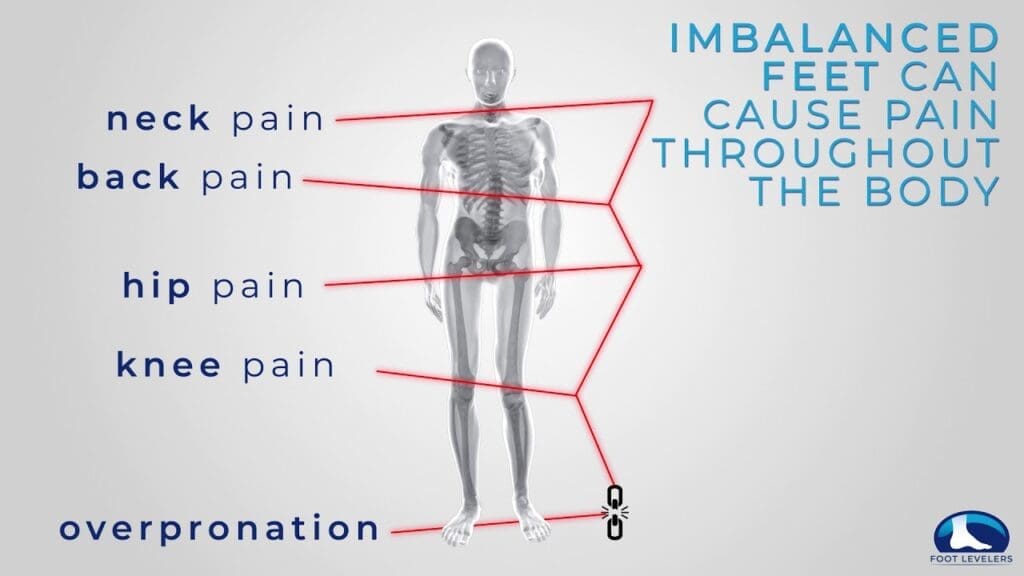
Custom orthotics don’t simply cushion your feet, they change how your feet function.
As your feet move into a healthier position, that change travels up the kinetic chain, affecting your:
- Feet
- Ankles
- Knees
- Hips
- Pelvis
- Low back
Your body has been compensating for poor foot mechanics for years, so introducing proper support can feel different at first. This is completely normal.
Some people notice:
- Mild foot soreness
- Calf tightness
- Slight fatigue in the legs
- Temporary muscle aches
These symptoms are typically mild and improve as your body adjusts.
The Recommended Orthotic Break-In Schedule
We recommend gradually increasing your wear time over the course of about a week.
A simple schedule looks like this:
Day 1
- Wear them for about 1 hour.
Day 2
- Increase to 2-3 hours.
Day 3
- Wear them for 4-5 hours.
Day 4
- Increase to 6-8 hours.
Days 5-7
- Continue increasing your wear time until you’re comfortable wearing them throughout the day.
Everyone adjusts at a slightly different pace. If your feet become sore, simply reduce the wear time for a day before increasing again.
There’s no prize for rushing the process.
Listen to Your Body
It’s normal to notice your orthotics while you’re getting used to them.
However, you should not experience:
- Sharp pain
- Severe discomfort
- Numbness or tingling
- Blisters
- Significant changes in your walking
If you experience any of these symptoms, stop wearing them and contact our office so we can evaluate the fit. Occasionally, a minor adjustment may be needed.
Wear Them in Supportive Shoes
Your orthotics perform best inside supportive shoes.
Good options include:
- Athletic sneakers
- Walking shoes
- Running shoes
- Supportive work shoes
Avoid placing them in worn-out shoes with compressed cushioning, as old footwear can reduce the effectiveness of your orthotics.
Consistency Is Key
Once you’ve completed the break-in period, try to wear your orthotics as often as possible.
The more consistently you wear them, the more consistently your body receives the support and alignment they were designed to provide.
Many patients notice improvements in:
- Foot pain
- Heel pain and plantar fasciitis
- Knee discomfort
- Hip pain
- Low back pain
- Balance and stability
- Overall comfort while standing and walking
Remember, orthotics only work when they’re in your shoes.
We’re Here to Help
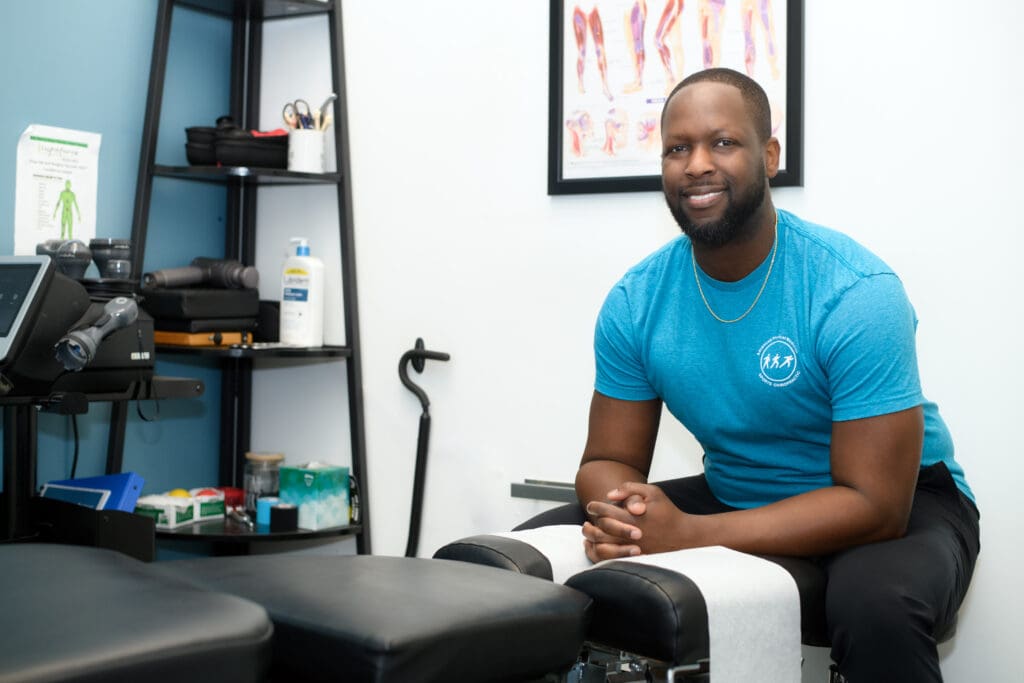
At Advanced Physical Medicine in North Haven, we use custom orthotics to help patients move better, reduce pain, and improve the way their entire body functions from the ground up.
If you’ve recently received your orthotics and have questions during the break-in period, don’t hesitate to reach out. We’d much rather answer a quick question or make a small adjustment than have you stop wearing them altogether.
With a little patience during the first week, your orthotics can provide years of improved comfort and support.
Be The First To Comment